
Fire & Smoke Damage
Document building and contents damage from residential or commercial fires.
View Fire & Smoke DamagePublic Adjuster Services
Empire Public Adjusters assists Long Island property owners with residential and commercial property insurance claims.
Long Island includes suburban single-family homes, waterfront communities, multifamily properties, retail centers, offices, industrial properties, and other commercial buildings.
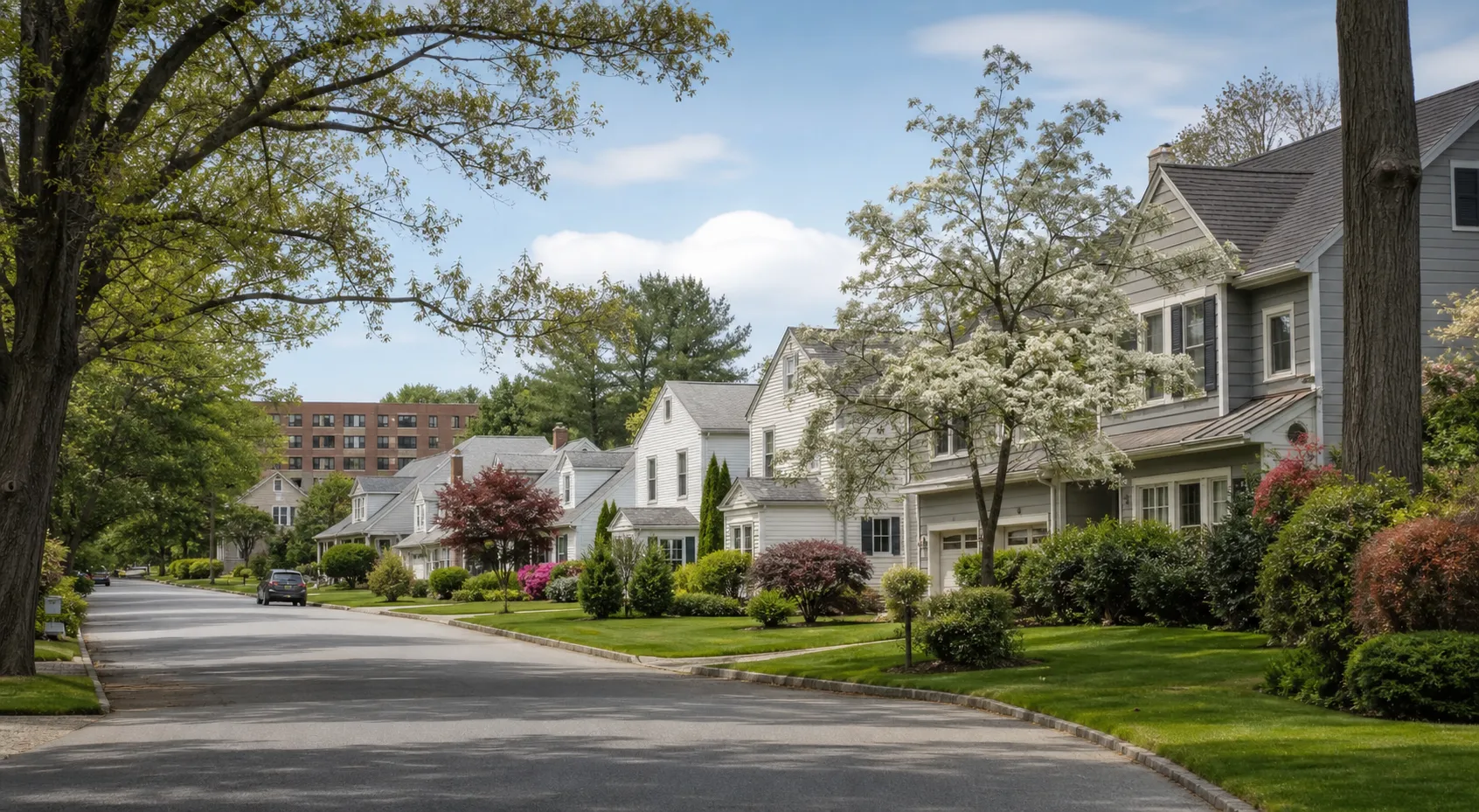
Local Property Context
Long Island includes suburban single-family homes, waterfront communities, multifamily properties, retail centers, offices, industrial properties, and other commercial buildings.
A Long Island property loss may affect roofs, siding, trees, basements, interior finishes, contents, or commercial systems. Waterfront proximity does not determine coverage by itself; the source of water, wind, or other damage and the policy wording must be reviewed carefully.
See How the Claim Process WorksClaim Services in Long Island
Explore the main claim services available to Long Island residential and commercial property owners.
Document building and contents damage from residential or commercial fires.
View Fire & Smoke DamageRecord the source and spread of plumbing or other covered water losses.
View Water DamageConnect wind, roof, tree-impact, and interior conditions after severe weather.
View Storm DamageOrganize incident, property, contents, and repair documentation.
View Vandalism & TheftAddress physical-damage records for retail, office, industrial, and other businesses.
View Commercial Property ClaimsPossible Loss Scenarios
These are examples of property-loss situations, not statements about frequency or coverage.
Area-Specific Documentation
The useful record depends on the actual property and loss. These local considerations can help organize the first review.
A Long Island residential inspection may need to cover the main house, garage, finished basement, exterior systems, landscaping impact, and other structures identified in the policy. Photograph each structure and connect invoices or estimates to the exact damaged component.
For wind and water events, record when conditions were first observed, visible openings or impacts, temporary protection, and the route of any interior water. Do not characterize the source as flood, rain, plumbing, or roof failure without facts that support the description.
Retail centers, offices, and industrial sites can involve several roof sections, suites, mechanical systems, loading areas, and contractors. A site plan or labeled sketch, even when simple, can help connect photographs and repair scopes to the correct part of the property.
For a property with outdoor components, photograph the approach, lot, grading, exterior equipment, and relationship between the main building and other structures before narrowing the record to damaged details. Preserve weather notices and vendor observations as source documents rather than rewriting them as conclusions. A Long Island claim file is easier to review when every estimate, invoice, and image uses the same building, elevation, room, or suite naming system.
Claim Help in Long Island
For Long Island claims, the process centers on the property's actual condition, the available records, and clear carrier communication.
Discuss the loss, property type, claim status, and immediate questions.
Observe and record visible damage relevant to the reported loss.
Organize photographs, estimates, invoices, inventories, and supporting records.
Present the documented claim and address carrier questions within the engagement.
Local Building Stock
Building use, construction, occupancy, and ownership can shape the records needed for a property claim.
Related Service Areas
Long Island Claim FAQ
Yes. Empire Public Adjusters provides claim information and service for residential and commercial property owners in Long Island. This service-area page does not represent a separate office.
Services include fire and smoke, water, storm, vandalism and theft, and commercial property claims. Coverage and available help depend on the policy and loss.
An active claim can often be reviewed for its current documentation, estimates, inspections, carrier correspondence, and outstanding questions.
Property context includes Single-family homes, Multifamily buildings, Rental properties, Retail property, as well as other residential and commercial buildings.
You can call soon after damage, before filing, or during an open claim. Address safety and reasonable emergency protection first, then preserve photographs and records.
Yes. Commercial claim assistance may cover building damage, tenant or common areas, business property, contractors, and supporting records.
Nearby pages include Queens, Nassau County, Suffolk County. Service can be confirmed for the specific property address during a claim review.
Property Damage in Long Island?
Tell us what happened at the Long Island property and where the insurance claim currently stands.