Proudly Serving All of New York Serving All of New York

Residential & Commercial Claims

We Work For You, Not the Insurance Company We Work For Policyholders

How It Works

How Our Public Adjuster Claim Process Works

From the first claim review through communication with the insurance carrier, we help organize and present the property loss.

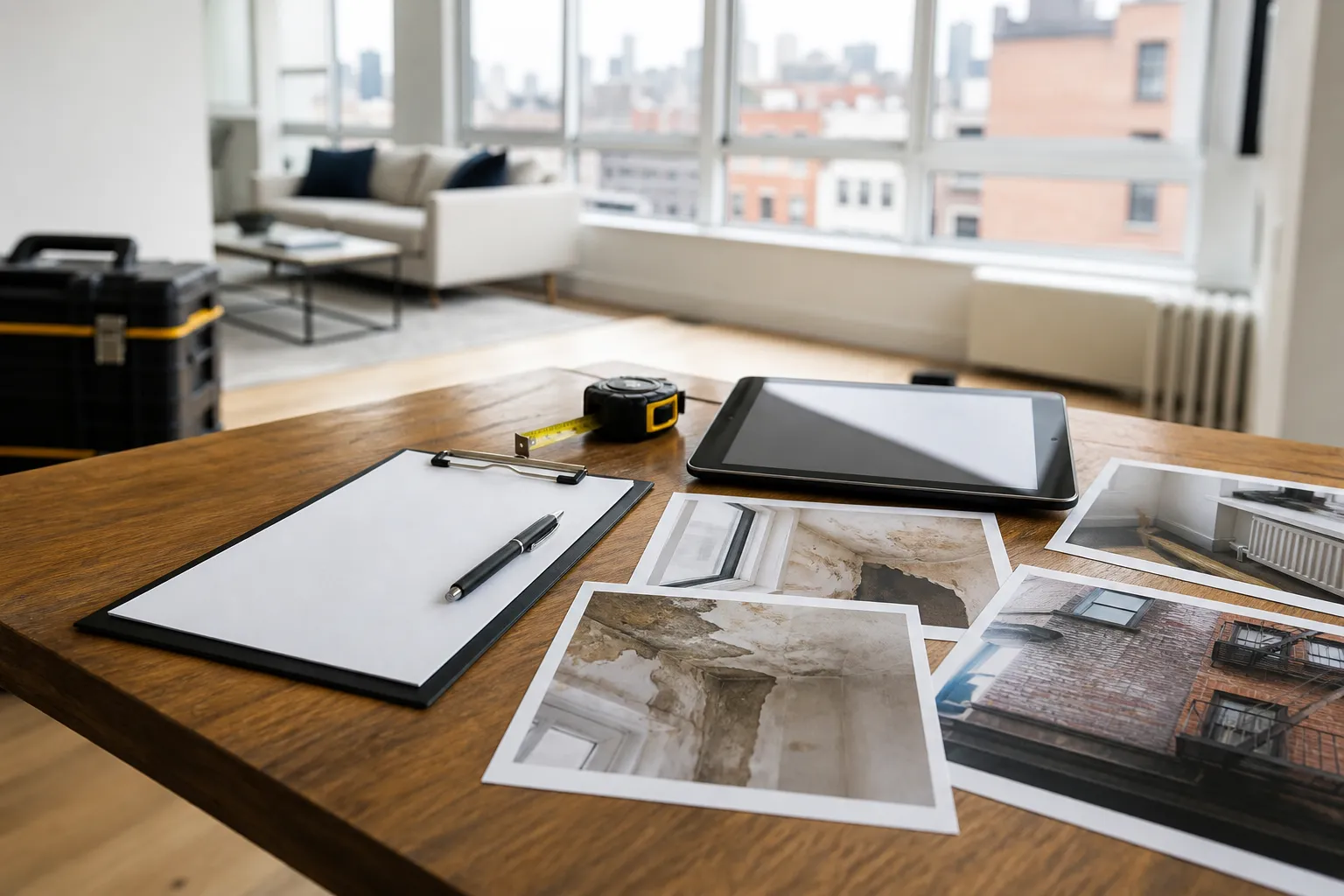
Illustrative property inspection and insurance claim documentation

Process Overview

Five Steps From Review to Carrier Communication

Each claim develops differently, but a structured workflow makes the facts, documents, and open questions easier to follow.

  1. 01

    Initial Claim Review

    We discuss the loss, property, claim status, and your immediate questions.

  2. 02

    Property Inspection

    Visible property damage relevant to the claim is inspected and documented.

  3. 03

    Damage Documentation

    Photographs, notes, estimates, and supporting records are organized.

  4. 04

    Claim Preparation

    Claim information is assembled for a clear presentation to the carrier.

  5. 05

    Carrier Communication & Negotiation

    We address claim questions and advocate for the policyholder.

Claim Process Detail

1. Initial Claim Review

We start with the facts available now: what happened, when it happened, the type and location of the property, whether a claim is open, current carrier communication, and the questions you want answered.

Request a Claim Review
  • Cause and date of loss
  • Property type and affected areas
  • Open or unfiled claim status
  • Carrier letters, calls, or inspections
  • Immediate property-owner questions

Claim Process Detail

2. Property Inspection

A public adjuster may inspect and photograph visible property damage relevant to the claim. When engineering, environmental testing, or another licensed specialty is needed, that work should be performed by the appropriate qualified professional.

  • Visible building damage
  • Affected rooms or exterior areas
  • Contents or business property
  • Emergency or temporary work
  • Areas needing specialist review

Claim Process Detail

3. Damage Documentation

The goal is a clear record of the loss—not simply a collection of photographs. Information is organized by affected area, damage category, and source so another claim professional can follow it.

  • Photographs
  • Loss notes and timeline
  • Repair or replacement information
  • Contractor estimates
  • Invoices, receipts, and supporting records

Claim Process Detail

4. Claim Preparation

Claim information is checked, grouped, and prepared for presentation to the carrier. The exact package depends on the property, cause, policy, stage of the claim, and information requested.

  • Review available policy information
  • Separate building and contents records
  • Organize estimates and invoices
  • Identify missing support
  • Prepare a clear claim presentation

Claim Process Detail

5. Carrier Communication & Negotiation

The public adjuster communicates with the carrier and advocates for the policyholder regarding the documented property loss, within the scope of public-adjuster services.

  • Carrier communication
  • Inspection and estimate follow-up
  • Responses to claim questions
  • Supporting-document submissions
  • Negotiation about the documented loss

When to Contact Us

Claim Help at Different Stages

Before Filing

Discuss the loss, preserve useful documentation, and understand the basic information the claim may require.

Claim Already Open

Review what has been submitted, the carrier's requests, estimates, inspections, and questions that remain.

Concerned About the Assessment

Compare the documented damage and repair information with the scope provided by the carrier.

Process FAQ

Questions About Working With a Public Adjuster

How long does the public adjuster process take?

There is no fixed timeline. The timing depends on the type and extent of damage, available records, policy requirements, inspections, and the carrier's review process.

Do I still speak with the insurance company?

A public adjuster can handle claim-related communication within the scope of the engagement. You may still need to provide information or participate in parts of the process.

What documents should I have ready?

Useful records may include the policy, claim number, carrier correspondence, photographs, mitigation invoices, contractor estimates, receipts, and an inventory of damaged contents.

Can you help after I already filed?

An open claim can often be reviewed. The available next steps depend on what has been submitted, what the carrier has requested, and the claim's current status.

What happens during the inspection?

The public adjuster may observe and photograph visible damage, discuss how the loss occurred, identify affected areas, and note records or specialist information that may be relevant.

What if additional damage is discovered?

Document the newly discovered condition and avoid assuming it is covered. The cause, timing, policy, and claim procedures determine how it should be presented to the carrier.

Need Help With a Property Claim?

Ready to Discuss Your Property Claim?